Minnesota Hospitality & Tourism.
Explore Minnesota's visitor economy, lodging and accommodations, destination marketing, travel services, guest experiences, and the business systems that support hospitality growth.
Minnesota's visitor economy supports businesses across the state.
Hospitality and tourism connect accommodations, transportation, destination experiences, visitor services, and local businesses through the movement and spending of travelers.
Minnesota's visitor economy includes hotels, resorts, vacation rentals, campgrounds, convention destinations, travel service providers, and businesses supporting overnight and day visitors.
Demand varies by region, season, travel purpose, consumer spending, and accessibility. Hospitality businesses must understand these differences when planning operations, pricing, marketing, and staffing.
Sustainable growth depends on the ability to attract visitors, convert interest into bookings, deliver quality experiences, and build repeat business.
Tourism generates demand for businesses across Minnesota.
Visitor spending supports lodging, transportation, food services, retail, and other local industries. These measures describe tourism's broader economic footprint, not lodging revenue alone.
Understanding Tourism's Economic Contribution
Visitor spending is distributed across multiple sectors. Travelers may purchase accommodations, meals, transportation, merchandise, and local services during the same trip.
Tourism-supported employment also spans multiple industries. It should not be interpreted as the number of people employed exclusively by hotels or travel agencies.
Historical reference: Explore Minnesota's 2023 tourism economic impact reporting. Figures are rounded. Confirm the underlying reporting year before comparing with newer releases.
Six business categories shaping Minnesota hospitality.
The hospitality and tourism economy includes businesses with different customers, operating models, pricing structures, and seasonal demand patterns.
Hotels & Lodging
Hotels, motels, extended-stay properties, boutique accommodations, and other lodging businesses serving leisure and business travelers.
Resorts & Destination Properties
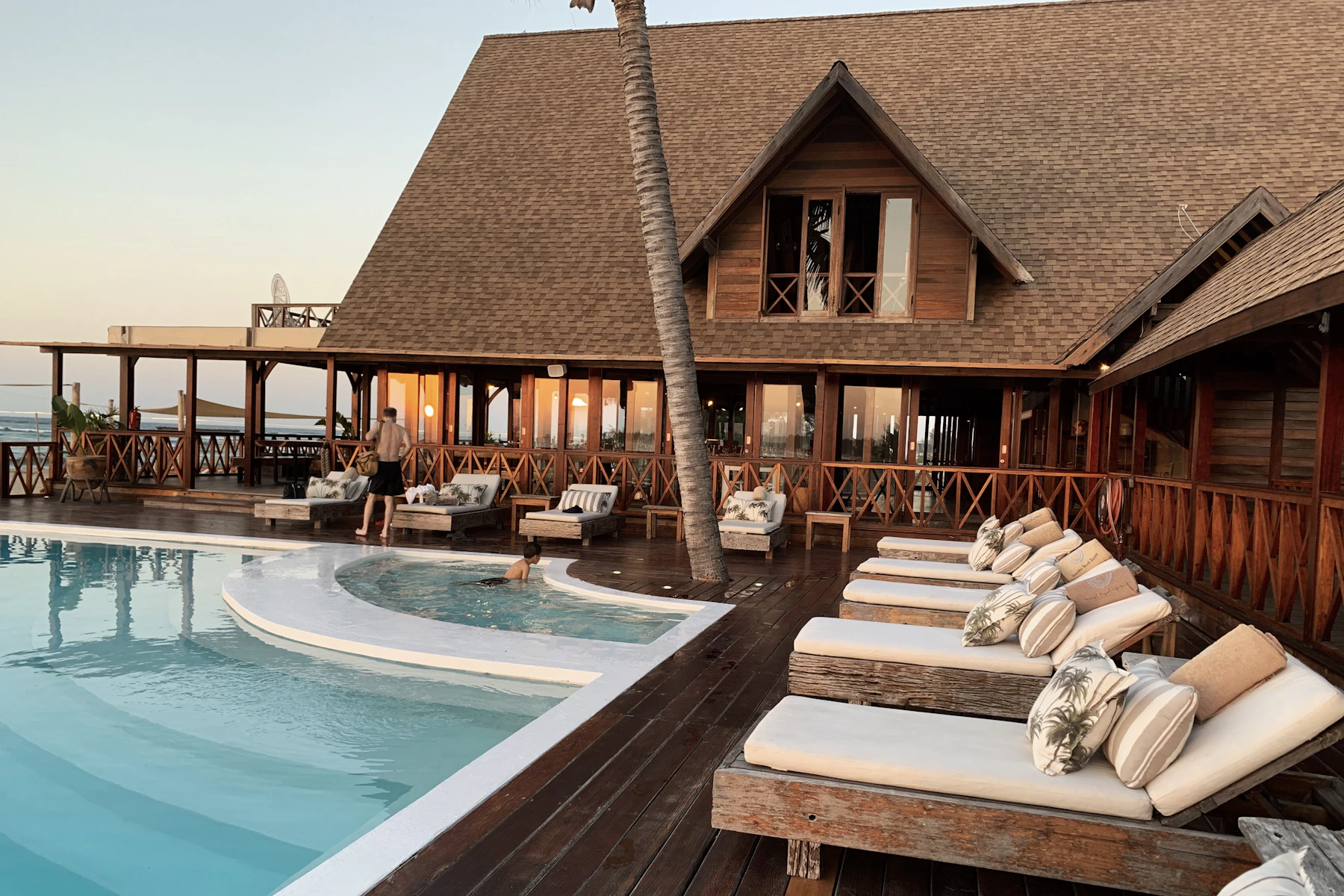
Destination lodging, lake resorts, full-service properties, and businesses combining accommodations with on-site guest services.
Vacation Rentals & Alternative Lodging
Short-term rentals, cabins, vacation homes, bed-and-breakfast properties, and professionally managed accommodation portfolios.
Meetings, Conventions & Business Travel
Convention hotels, meeting facilities, conference accommodations, group bookings, and business travel services.
Travel Planning & Visitor Services
Travel agencies, destination management, visitor information, itinerary coordination, and travel-related support businesses.
Destination Marketing & Tourism Development
Destination marketing organizations, tourism partnerships, visitor campaigns, and regional initiatives supporting travel demand.
Hospitality performance depends on more than occupancy.
Hotels, resorts, and accommodation providers must balance room demand, pricing, operating costs, distribution channels, guest satisfaction, and repeat visitation.
Occupancy Rate
Measures the percentage of available room nights sold during a reporting period. It helps businesses understand room demand and utilization.
Average Daily Rate (ADR)
Measures room revenue divided by rooms sold. ADR helps lodging operators evaluate pricing performance.
Revenue Per Available Room (RevPAR)
Measures room revenue relative to available rooms. It combines occupancy and pricing performance into a common lodging metric.
Direct Booking Performance
Tracks reservations made through a property's own website, phone, or direct communication channels.
Guest Acquisition Costs
Evaluates marketing expenses, booking platform commissions, promotional offers, and distribution costs.
Guest Experience & Retention
Connects service quality, online reputation, guest communication, and repeat bookings to long-term performance.
Where guests book affects revenue & profitability.
Hospitality businesses use a combination of direct sales, online travel agencies, group contracts, corporate accounts, and destination partnerships.
| Booking Channel | Business Value | Operating Consideration |
|---|---|---|
| Direct Website Bookings | Brand control & direct guest relationships | Website conversion, booking engine & traffic |
| Online Travel Agencies | Access to established travel audiences | Commissions, competition & platform rules |
| Corporate Travel | Potential recurring business demand | Negotiated rates, service standards & account management |
| Group & Convention Bookings | Room blocks & coordinated demand | Contracts, cancellation terms & event coordination |
| Travel Agents & Partners | Referral relationships & specialized audiences | Partner terms, commissions & communication |
| Destination Campaigns | Regional visibility & visitor interest | Attribution, partnerships & conversion tracking |
Travel demand differs across Minnesota regions.
Urban business travel, regional conventions, lake destinations, seasonal visitors, and community tourism create different opportunities for hospitality businesses.
Geographic reference only. The map does not represent hotel occupancy, visitor spending, or destination rankings.
Hospitality businesses must plan for changing demand.
Travel demand is shaped by weather, school calendars, holidays, business activity, conferences, transportation, and regional attractions.
Peak-Season Planning
Businesses need sufficient staffing, inventory, service capacity, pricing discipline, and booking systems during high-demand periods.
Shoulder-Season Demand
Targeted packages, partnerships, corporate bookings, and regional promotions may help address periods between peak seasons.
Off-Season Sustainability
Cash flow planning, expense management, alternative customer segments, and operational scheduling support year-round stability.
Five opportunities to strengthen hospitality performance.
Hospitality marketing should connect visitor demand with bookings, guest experience, operating efficiency, and repeat revenue.
01. Increase Direct Bookings
Improve website visibility, booking usability, mobile experience, guest trust, and direct reservation pathways.
02. Strengthen Guest Retention
Develop post-stay communication, guest segmentation, loyalty opportunities, and repeat-visit campaigns.
03. Improve Destination Positioning
Clarify the reasons travelers should choose a property or destination based on their travel needs.
04. Build Strategic Partnerships
Collaborate with local businesses, travel organizations, convention partners, and complementary service providers.
05. Connect Hospitality Systems
Improve coordination between reservations, customer information, marketing, operations, and performance reporting.
From Visitor Interest to Revenue
Sustainable growth requires more than attracting travelers. Businesses must convert demand, deliver the experience, and manage profitability.
Building the infrastructure behind hospitality growth.
Creative Holdings LLC is an integrated business growth firm connecting business strategy, marketing, communications, digital systems, and operations.
Understand the Business
Review guest segments, booking channels, pricing, occupancy, operations, and revenue performance.
Clarify Market Value
Define the guest experience, differentiation, destination messaging, and competitive positioning.
Build Growth Systems
Connect websites, booking pathways, CRM, guest communications, campaigns, and workflows.
Optimize Performance
Track direct bookings, acquisition costs, repeat visits, guest satisfaction, and business outcomes.
Is your hospitality business positioned to grow?
Review the foundations supporting guest acquisition, booking performance, operations, and long-term business sustainability.
0 of 8 areas reviewed
This checklist is a planning resource, not a formal hospitality or financial audit.
Hospitality & Tourism Research Sources
Tourism economic impact, hospitality employment, lodging performance, and visitor demand use different reporting methods. These measures should not be treated as interchangeable.
What does visitor spending measure?
Visitor spending estimates purchases made by travelers across multiple categories, including lodging, transportation, food, retail, and services.
Are tourism jobs the same as hotel jobs?
No. Tourism-supported employment includes jobs across several industries influenced by visitor spending.
What is RevPAR?
Revenue per available room is calculated by dividing room revenue by available room nights. It can also be calculated by multiplying occupancy by average daily rate.
Are all hospitality businesses seasonal?
No. Demand patterns vary by region, customer type, property category, and travel purpose.
Does this page include sports & recreation businesses?
Only where they contribute to travel demand. The focus here is accommodations, travel, destination marketing, and hospitality operations.
Historical tourism indicators reference 2023 estimates. Current conditions may differ. Review the latest Explore Minnesota research before using these figures for investment or operating decisions.
Build stronger hospitality businesses & better guest experiences.
Creative Holdings LLC supports business growth through strategy, marketing, communications, technology, and operational development.
Whether you operate a hotel, resort, vacation rental business, destination organization, or travel service company, growth requires clear positioning, connected systems, and reliable execution.
Tell us about your organization and the challenges you're working to solve.