
Understanding Minnesota's Cannabis & Hemp Economy.
Industry intelligence, business strategy, operational infrastructure, responsible communications, and organizational development for Minnesota's emerging regulated cannabis and hemp markets.
An emerging market with new opportunities & complex responsibilities.
Minnesota's cannabis and hemp industries are developing within a regulated marketplace that connects agriculture, manufacturing, retail, healthcare, product development, and business services.
The state's adult-use cannabis market began state-licensed retail sales in September 2025, following earlier cannabis sales under Tribal regulatory authority.
Cannabis businesses operate across cultivation, manufacturing, distribution, testing, and retail. Other organizations provide technology, equipment, facilities, professional services, and operational support.
Lower-potency hemp edible and beverage businesses represent a related but distinct regulated market. Medical cannabis also has separate patient, product, and operational requirements.
As this industry develops, business sustainability depends on more than obtaining a license. Companies must build reliable operating systems, understand their customers, manage financial risk, and communicate responsibly.
A developing industry with measurable economic activity.
The Minnesota Office of Cannabis Management reported significant market development during the first year of state-licensed adult-use retail operations.
First-Year Cannabis Sales
OCM reported approximately $150 million in adult-use cannabis purchases and $100 million in medical cannabis purchases during the first year of state-licensed adult-use retail activity.
Figures are rounded and exclude lower-potency hemp edible and beverage sales.
Business Ownership & Market Access
Social equity participation is a major component of Minnesota's cannabis licensing framework.
These figures describe ownership status among licensed cannabis businesses, not workforce demographics or a measure of business profitability.
Source: Minnesota Office of Cannabis Management, September 15, 2026 market anniversary release. The numbers above are dated snapshots, not live November 2026 counts.
Cultivation connects agriculture, technology & manufacturing.
Minnesota's cultivation businesses range from small-scale operators to larger controlled-environment production facilities. Their operations require agricultural expertise, regulatory compliance, capital investment, and supply-chain coordination.
Building a Reliable Cultivation Business
Cultivators must plan for production cycles, environmental controls, labor, equipment, facility costs, testing, inventory tracking, and relationships with downstream buyers.
Minnesota's climate introduces additional considerations for outdoor cultivation, including growing seasons, weather, harvest timing, and post-harvest handling.
Indoor and greenhouse operations face different infrastructure requirements, including lighting, energy use, ventilation, water management, and environmental monitoring.
OCM reported substantial growth in tracked cultivation inventory during the first year of state-licensed sales. More available supply can create opportunities while also increasing the importance of pricing, distribution, and market differentiation.

Outdoor Cultivation
Agricultural production influenced by land access, seasonal conditions, cultivation practices, and harvest logistics.
Greenhouse Production
Controlled growing environments that combine natural light with environmental management and specialized infrastructure.
Indoor Cultivation
Facilities relying on artificial lighting, climate controls, equipment, and standardized production processes.
Multiple business models, one connected supply chain.
Minnesota's regulated market includes specialized and vertically integrated license categories. The activities a business may perform depend on its specific license, endorsements, and applicable regulations.
Cannabis Growers
Businesses producing cannabis plants and harvested material for authorized commercial supply chains.
Product Development & Processing
Licensed operations creating permitted cannabis products through manufacturing, extraction, processing, and packaging.
Laboratory Services
Authorized laboratories providing required product testing and quality-related services.
Logistics & Inventory
Authorized distribution, transportation, inventory management, and product movement across the supply chain.
Licensed Cannabis Retail
Consumer-facing businesses managing compliant sales, age verification, inventory, customer service, and retail operations.
Business Infrastructure
Professional services, technology, facilities, equipment, accounting, communications, and business development.
This is an operational overview rather than a complete list of statutory license types. Businesses should consult current OCM licensing guidance before determining permitted activities.
Local entrepreneurs are building Minnesota's cannabis economy.
Minnesota's emerging cannabis market includes entrepreneurs developing agricultural businesses, production facilities, retail concepts, and specialized product brands.
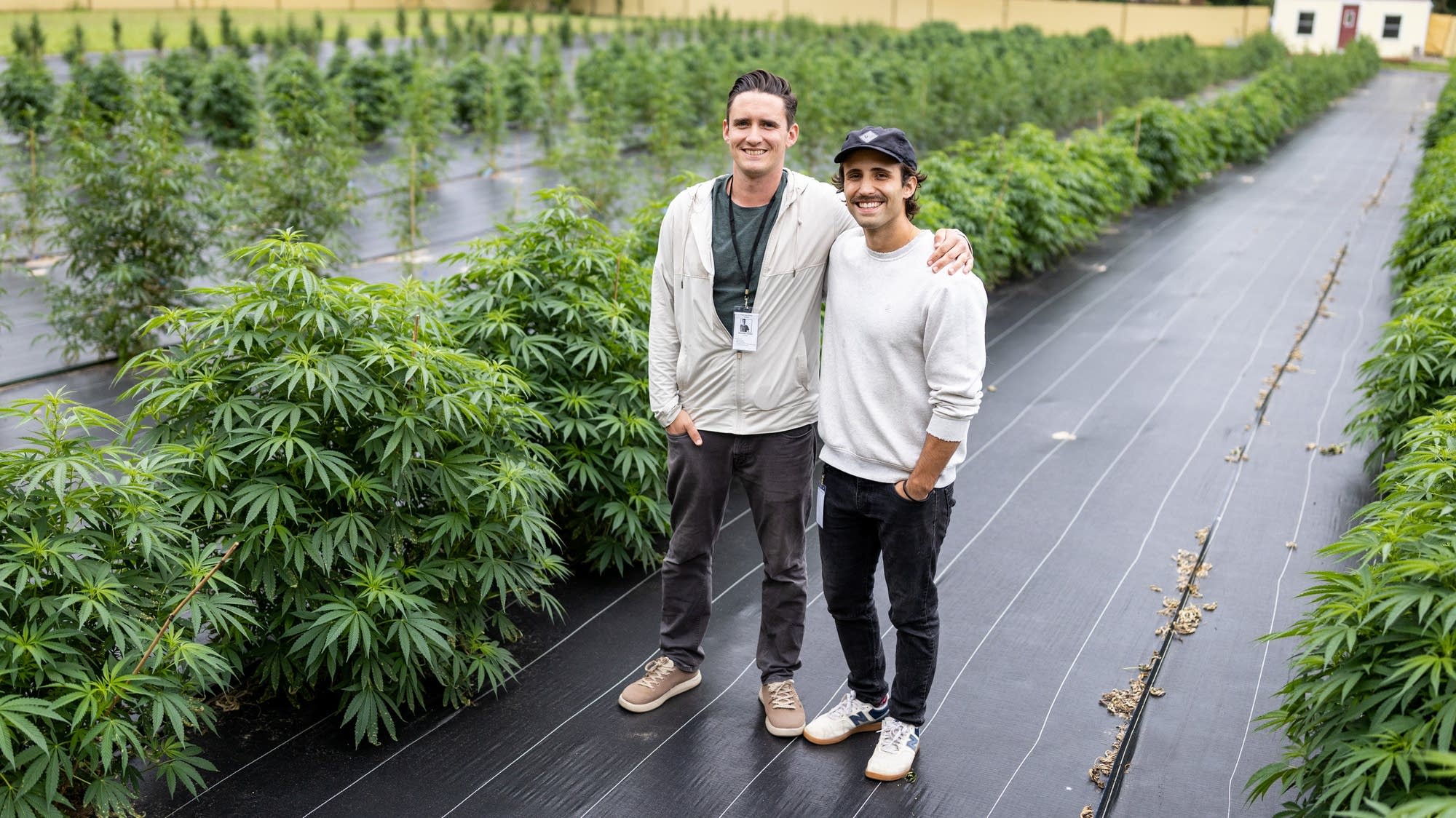
Roots & Resin Farms, near Lindstrom, was featured by MPR News in September 2025 for its outdoor cultivation operations and focus on solventless cannabis products.
Businesses like these illustrate how cannabis entrepreneurship connects agriculture, product development, manufacturing, brand positioning, and commercial distribution.
A strong product alone does not guarantee a sustainable business. Operators also need sound financial planning, reliable partnerships, compliant operations, and systems capable of supporting growth.
Business ownership is central to Minnesota's cannabis framework.
Minnesota's licensing approach includes social equity provisions intended to improve participation and address historical harms associated with cannabis prohibition.
Social Equity Participation
As of September 15, 2026, OCM reported that 43% of Minnesota's 369 licensed cannabis businesses were owned by verified social equity applicants.
OCM also reported that 86% of licenses issued in four major capped categories had gone to verified social equity businesses at that time.
Ownership participation is one measure of market access. Long-term equity also depends on business survival, financing, supply-chain relationships, and sustainable operating conditions.
Challenges Beyond Licensing
Cannabis entrepreneurs may face substantial costs involving facilities, equipment, inventory, insurance, compliance, and professional services.
Financing, banking access, local zoning, taxation, regulatory changes, and operational readiness can influence whether a licensed business becomes commercially viable.
Business development should therefore connect market opportunity with realistic capital requirements, staffing, processes, and measurable financial performance.
Medical cannabis & hemp products require distinct strategies.
These markets overlap in certain business functions but differ in customer eligibility, product rules, licensing, and regulatory requirements.
Medical Cannabis
Minnesota's medical cannabis program serves enrolled patients and operates under specific patient, practitioner, product, and business requirements.
Medical cannabis organizations must consider patient communication, accessibility, product information, operational consistency, and applicable healthcare-related obligations.
The September 2026 OCM report estimated approximately $100 million in medical cannabis sales during the first year of state-licensed adult-use retail operations.
Lower-Potency Hemp Edibles & Beverages
Minnesota separately regulates qualifying lower-potency hemp edible products, including certain beverages and other consumable products.
Businesses must consider product standards, testing, packaging, labeling, age restrictions, retail permissions, and marketing requirements.
OCM's first-year adult-use and medical cannabis sales total does not include a comprehensive sales estimate for lower-potency hemp edibles and beverages.
Local regulations, land use & regional markets shape expansion.
Cannabis business location decisions involve more than consumer demand. Entrepreneurs must evaluate licensing, zoning, land use, infrastructure, property costs, and applicable local government requirements.
Geographic reference only. This map does not depict licensed cannabis business locations, local zoning eligibility, or cultivation acreage.
Regional Planning Considerations
Twin Cities Metropolitan Area: Retail location analysis, customer access, municipal requirements, competition, and commercial property costs.
Greater Minnesota: Agricultural land, facility infrastructure, transportation, workforce availability, and regional customer markets.
Tribal Nations: Sovereign governance, Tribal regulatory frameworks, and applicable intergovernmental agreements.
Statewide Operations: Supply-chain coordination, licensing requirements, distribution, and inventory traceability.
Compliance, accountability & business sustainability.
Minnesota cannabis businesses operate within an evolving legal and regulatory framework that influences licensing, facilities, product handling, transactions, advertising, and financial reporting.
Business owners must also evaluate federal law, tax treatment, banking, insurance, local regulations, and platform-specific advertising rules.
Reliable business infrastructure supports consistent operations, transparency, customer protection, and long-term organizational capacity.
Five Operational Priorities
Confirm authorized activities, endorsements, facility requirements, and renewal obligations.
Maintain appropriate product tracking, quality controls, testing documentation, and supply-chain records.
Strengthen accounting, cash management, tax planning, purchasing, and financial oversight.
Develop accurate, responsible, age-appropriate brand and stakeholder communications.
Establish repeatable workflows, staff responsibilities, reporting, and operational accountability.
Building stronger businesses in Minnesota's cannabis industry.
Creative Holdings LLC is an integrated business growth firm supporting organizational strategy, operational systems, business communications, and sustainable development.
Brand Clarity & Responsible Communications
Develop clear business positioning, informative websites, stakeholder communications, customer service pathways, and messaging aligned with applicable regulations and platform policies.
Business Systems & Accountability
Improve internal workflows, customer relationship management, inventory coordination, reporting infrastructure, team communications, and operational documentation.
Partnerships & Organizational Capacity
Strengthen vendor relationships, organizational planning, stakeholder engagement, business development systems, and the infrastructure required for responsible growth.
Connecting business strategy, systems & accountability.
Sustainable operations require coordination between business objectives, regulatory responsibilities, people, technology, and financial performance.
Understand the Business
Review the business model, stakeholders, market position, operating conditions, and organizational priorities.
Establish Priorities
Connect strategic goals with available resources, operational capacity, and regulatory responsibilities.
Strengthen Infrastructure
Improve communications, internal systems, customer pathways, coordination, and reporting.
Monitor & Improve
Evaluate performance, operational reliability, customer experience, and business sustainability.
Minnesota Cannabis & Hemp Data & Sources
Research compiled by Creative Holdings LLC using Minnesota Office of Cannabis Management publications, state market data, and reporting on Minnesota's emerging regulated cannabis industry.
Market Sales & Reporting Periods
The $250 million-plus sales figure reflects combined adult-use and medical cannabis purchases reported by OCM on September 15, 2026, covering approximately the first year of state-licensed adult-use retail operations. It does not represent total cannabis and hemp market revenue or annual 2026 sales.
Business Licensing & Social Equity
The 369 licensed business count and 43% verified social equity ownership share are dated September 2026 figures. License counts change as businesses receive approval, open, renew, or cease operations.
Lower-Potency Hemp Product Data
Minnesota regulates qualifying lower-potency hemp edibles and beverages separately from conventional adult-use cannabis. The state does not have the same comprehensive seed-to-sale sales reporting for these products. Consequently, this page does not assign them an unsupported statewide retail sales estimate.
Tribal Cannabis Enterprises
Tribal cannabis operations may be regulated under sovereign Tribal authority or applicable intergovernmental agreements. State licensing statistics should not automatically be interpreted as a complete count of Tribal cannabis activity.
Employment & Economic Impact
The cannabis industry spans agriculture, manufacturing, retail, transportation, and professional services. This page does not publish an unsupported combined statewide employment total or economic impact estimate.
Business, Marketing & Legal Compliance
Cannabis businesses may face restrictions on advertising, promotional practices, age-targeted communications, product claims, and distribution. Federal, state, local, and platform-specific rules may differ. Creative Holdings provides business and communications strategy, not legal, tax, or regulatory advice.
Research snapshot: November 2026. Market statistics are dated to the source reporting periods. Consult OCM's live dashboard for updated licensing, cultivation, and sales data.
Your Next Stage of Growth Needs the Right Foundation.
Whether you're developing a business, modernizing your digital infrastructure, or looking for executive marketing leadership, let's discuss what your organization needs to move forward.
BOOK A DEMO